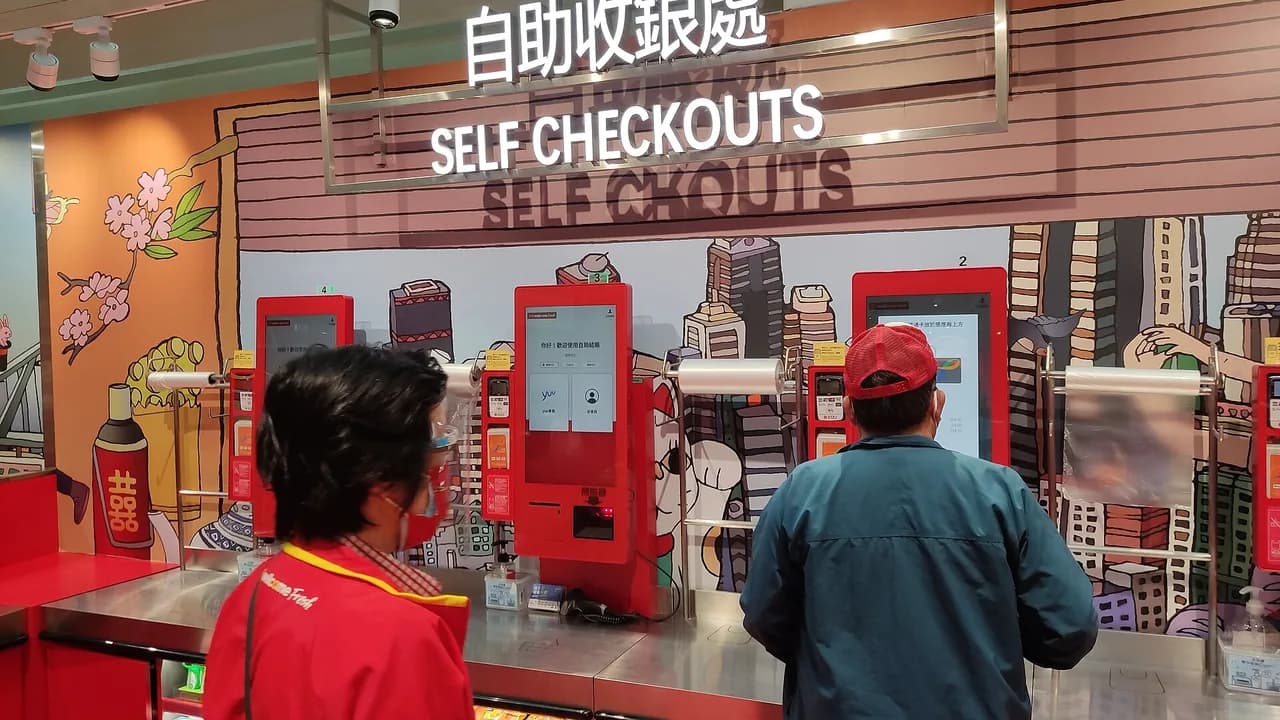
Supermarket vs Local Kirana: Where Cards Win and Where UPI Wins
Published: 19 October 2026 Category: comparisons | cardbuzz
Indian households split grocery spending across two very different counters: the organised supermarket with its billing terminal, and the neighbourhood kirana where the owner knows your family. The payment math is different at each, and getting it right is worth more than any single card's sign-up bonus.
The supermarket: card territory
Supermarkets, hypermarkets and organised retail chains are built for cards. They have proper POS terminals, they generate clean merchant-category codes (usually grocery), and they never add card surcharges. This is the most reliable grocery earn in a card portfolio:
- Clean category coding means the transaction usually lands in the grocery bucket, so accelerated grocery rates apply.
- Large basket sizes (₹3,000–₹8,000 per visit) make the rewards meaningful per trip.
- No payment friction — no minimums, no "card machine is down" excuses.
The only caveat is the wallet trap: some supermarkets push their own prepaid wallet at checkout with a small discount. Topping up that wallet by card can fall into an excluded category on some cards, killing the reward. If the wallet discount is smaller than the card reward, pay by card directly.
The kirana: UPI's home ground
The neighbourhood kirana is a different economy. Most accept UPI; many now have a QR for cards too, but the reward math is murkier:
- Merchant coding is unreliable. A kirana's terminal may be registered under a generic retail or even personal category, so a "5% on grocery" card may pay only the base rate.
- Small tickets (₹200–₹600) earn tiny absolute rewards even at good rates.
- Relationship billing — the monthly khata settled in one transfer — often happens over UPI or cash by habit.
For kirana spends, the honest answer is usually UPI, unless the amount is large and the terminal is a proper POS from an acquiring bank.
The split strategy
| Channel | Best payment | Why |
|---|---|---|
| Supermarket / hypermarket | Credit card (grocery card) | Clean MCC, no surcharge, big baskets |
| Online grocery apps | Credit card | Rewards + app coupons stack |
| Kirana, small tickets | UPI | Unreliable coding, tiny rewards |
| Kirana, large monthly settlement | Card if POS available | Worth checking the earn once |
Route the organised half of grocery through the card and the unorganised half through UPI. Households that do this typically move 60–70% of grocery spend onto cards without changing a single shopping habit — and that is where the ₹5,000+ yearly reward figures come from.
Merchant category coding varies by acquirer and terminal; if grocery is a major spend, verify one statement cycle to confirm the earn rate posts as expected.


Comments
No comments yet
Be the first to share your experience with this card.